The Monitor 100 is filled with many of the strongest companies — and leaders — in the equipment finance industry. As change accelerates and each year brings new challenges and opportunities, leadership has never been more important.
As we reach the midpoint of 2026, several industry leaders share what is top of mind for their organizations, their people and the future of the industry.
As a leader, where are you focusing most of your energy and resources for the future?
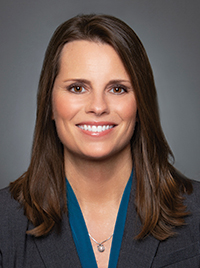
DONDRA BENJAMIN: My focus is on operational efficiency, process transformation and the thoughtful application of AI. The equipment finance industry is at an inflection point where growth can no longer rely solely on adding resources. To remain competitive, we need to scale our businesses by working smarter and creating more efficient operating models.
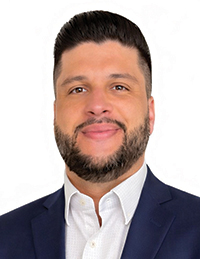
MIKE BOARDMAN: Most of my energy is going toward people, culture and the infrastructure that supports them. Transportation finance has its own rhythm. Freight markets shift, equipment cycles change and technology keeps raising the bar for how we analyze and serve our customers. But the companies that hold up through all of that are the ones with the right people and the right culture.
HEATHER ELLISON: I am focused on three core areas:
- Data and technology enablement — Driving automation, AI-assisted functionality and better use of portfolio data to improve speed, risk visibility and client experience.
- Portfolio resilience — Managing concentration risk, asset quality and lifecycle strategy in a volatile environment.
- Client-centric growth — Deepening relationships with key vendor partners by delivering more flexible, consultative financing and servicing solutions.
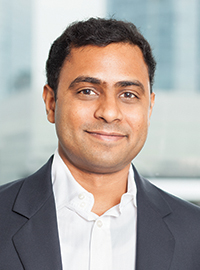
KALYAN MAKAM: At Amur, we are investing in ensuring we have the capability to serve the businesses that are going to power American growth over the next several decades. This involves building a leading customer experience that positions Amur as the financing engine of choice for America’s equipment-intensive businesses.
There is no short cut in that endeavor. Building something great takes innovation and execution from every person in the organization, but that is where we are focusing our energy and resources today.
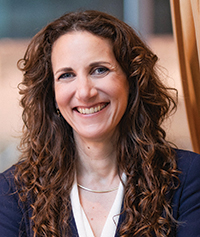
LARA YOCARINI: I am focusing most of my energy in two areas: how we continue to deliver meaningful value to our partners and customers as their needs evolve, and how we remain a truly great place to work for our members (what DLL calls their employees).
The pace of change is accelerating, particularly with the seemingly boundless opportunities created by GenAI and Agentic AI. These technologies offer enormous potential to drive efficiency and unlock new revenue streams. At the same time, this environment makes human judgment, trust and connection even more critical. Therefore, as leaders, we need to stay even closer to our partners and customers and continue to invest in attracting and retaining the right talent.
What are some of the biggest leadership challenges the industry is navigating right now?
BENJAMIN: Attracting, developing and retaining the next generation of talent. Equipment finance has long been an industry that people discover rather than intentionally pursue, which means leaders must be more proactive about creating awareness and building career pathways for emerging professionals.
At the same time, organizations are managing a workforce that spans multiple generations with different expectations around career development, technology and workplace culture. Leaders must balance business performance with creating opportunities for growth, mentorship and continuous learning. The companies that invest in developing talent today will be the ones best positioned to lead the industry tomorrow.
BOARDMAN: Leading across generations. The expectations a newer professional brings to work around feedback, career development and purpose are genuinely different from those of someone with 25 or 30 years in the industry. Neither perspective is wrong. But a leader who treats everyone identically will fail both groups. The job is to find what drives each person and create an environment where different motivations can coexist around shared goals.
ELLISON: Several stand out:
- Navigating economic uncertainty — Interest rate volatility, credit normalization and sector-specific stress require more dynamic decision-making than we’ve seen in years.
- Talent gaps and succession risk — There is a real shortage of experienced middle leadership in the industry.
- Technology transformation vs. legacy systems — Leaders must drive modernization without disrupting current operations or losing institutional knowledge.
- Maintaining risk discipline amid competition — Competitive pressure can push pricing and structure — leaders must hold the line while still winning business.
MAKAM: The challenge for leaders in our industry is building cultures that embrace innovation while maintaining the discipline and risk management our industry demands. And they must do this in the midst of one of the largest generational transitions that our country has ever seen. As baby boomers and Gen X retire, organizations must intentionally transfer knowledge, develop new talent and ensure the next generation is equipped with both the expertise and entrepreneurial mindset needed to serve customers and partners effectively.
YOCARINI: Change and volatility have become the new normal, testing resilience and requiring constant adaptation. As a leader, you really want to provide a clear future direction, even if the road to get there has more twists and turns than initially expected.
This also extends to how we embrace AI: not just adopting the technology, but ensuring our workforce is upskilled and reskilled to take full advantage of the opportunities it presents.
When you look at the rising talent in your organization, how are you preparing them to take the reins?
BENJAMIN: I believe one of the best ways to prepare future leaders is to give them exposure beyond their immediate responsibilities. Leadership decisions rarely exist within a single function. Effective leaders need to understand how operations, credit, finance, legal, originations and asset management work together to support the broader organization.
I encourage emerging leaders to participate in cross-functional initiatives, take on stretch assignments and develop relationships across the business. Equally important is creating an environment where they feel comfortable asking questions, challenging assumptions and learning from both successes and setbacks. Succession planning is not about preparing someone for a role at a future date; it is about giving people opportunities to think and act like leaders today.
BOARDMAN: We are looking for people who have the potential to become leaders, not just managers. Those are genuinely different things. Managers execute. Leaders influence, develop others, exercise judgment in ambiguous situations and take ownership of outcomes they cannot fully control. We try to identify those qualities early and invest accordingly.
We support participation in industry programs like ELFA, CLFP and STRIPES Leadership Program. We do leadership assessments and coaching. And we create opportunities for high-potential people to take on additional responsibility, lead a project or gain exposure to a part of the business they have not worked in before. That last piece matters a great deal to me personally. I have spent time in credit, sales leadership and the operational and financial sides of the business, and that breadth shaped how I think.
We want our future leaders to have a similarly wide view of how everything connects before they are asked to lead it.
ELLISON: We’re being very intentional about development:
- Broad rotational exposure — Ensuring future leaders understand originations, credit, portfolio management and asset remarketing.
- Real decision-making authority — Giving them meaningful accountability early, not just observation roles.
- Mentorship and sponsorship — Pairing high-potential talent with senior leaders who actively advocate for them.
The goal is to develop well-rounded leaders who can operate in complexity.
MAKAM: At Amur, we identify growing leaders early and invest in building their capabilities. This leadership pipeline is critical — we focus on giving high-potential team members meaningful responsibility, decision-making “reps” and exposure to cross-functional decision-making. But leadership is more than just subject matter expertise, it is also about coaching, mentorship, judgment, accountability and confidence. We want future leaders who can think independently, embrace change and make decisions that balance growth, customer outcomes and long-term sustainability.
YOCARINI: We support our rising talent through a combination of formal and informal development. This includes structured leadership programs delivered in partnership with the Center for Creative Leadership, as well as opportunities to pursue executive education.
We also place strong emphasis on mentorship and exposure, pairing emerging leaders with executive board members for coaching, and holding regular talent conversations to explore their ambitions and align them with opportunities across the organization.
Where do you draw your leadership inspiration from outside the industry?
BENJAMIN: Much of my leadership inspiration comes from my father. He was a successful business owner whose work ethic, resilience and determination left a lasting impression on me. No matter the challenge, he approached it with optimism, perseverance and a commitment to doing the right thing.
His example taught me that leadership is not about titles or authority. It is about consistency, accountability and how you show up for others, especially during difficult times.
BOARDMAN: I pay attention to leaders who build durable cultures: people who know how to get the best out of others over a long period of time, not just those who win in a single season. I’ve always admired organizations like the Los Angeles Dodgers because their success was not built around one star or one moment. It was built on culture, accountability and developing people over time.
BOARDMAN: What stands out consistently is that the best leaders in those environments are the hardest on themselves and the most generous with the people around them.
The leaders who shaped me most were people who were direct without being harsh, gave me real feedback when I needed it, and seemed genuinely invested in what I was becoming professionally. That kind of leadership is quiet, but it compounds.
ELLISON: I draw inspiration from technology leaders who continuously reinvent their businesses, particularly those that successfully shift from product-focused models to platform thinking. I also look to private equity and investment firms that excel in disciplined capital allocation and long-term value creation. Military leadership frameworks provide valuable lessons in decision-making under pressure and maintaining clarity of mission, while sports leadership offers insight into building strong team cultures, accountability and consistent performance. Across all of these areas, the common themes are clarity, adaptability and execution.
MAKAM: I draw inspiration from leaders who have successfully navigated periods of significant change while staying grounded in their core values. I am also inspired by entrepreneurs who refuse to accept prevailing orthodoxy, challenge the status quo and ultimately build something entirely new. Their willingness to upend assumptions, operate in novel ways without any guarantees of success and focus relentlessly on execution offers valuable lessons regardless of industry.
YOCARINI: I always enjoy reading the “Lunch with the FT” articles in the Financial Times. They always cover such diverse and interesting profiles, who share meaningful nuggets of wisdom I find inspiring.
What are the most common traits or behaviors that limit a leader’s potential? Conversely, what traits or behaviors lead to growth and advancement?
BENJAMIN: Leaders limit their potential when they believe they have all the answers, fail to listen or become overly protective of their area of responsibility.
The leaders who continue to grow are those who remain curious, seek feedback and view every experience as an opportunity to learn. The most successful leaders are lifelong learners who focus on developing both themselves and the people around them.
BOARDMAN: The biggest limiter I have seen is rigidity, the assumption that past success is a reliable guide to future answers. Experience is valuable, but it can calcify into overconfidence, closing you off to the people around you who might be seeing something you are missing. Leaders who stop asking questions and start having all the answers tend to plateau, often without realizing it.
The leaders who keep growing share a few qualities: genuine curiosity, a high tolerance for honest feedback, and a real focus on developing the people around them rather than protecting their own position. Humility and accountability together are a powerful combination.
ELLISON: Limiting traits:
- Risk aversion disguised as prudence — Inability to take calculated risks stalls growth.
- Siloed thinking — Focusing only on one function without seeing the full enterprise.
- Lack of self-awareness — Particularly around communication style and impact on others.
- Short-term focus — Optimizing for immediate wins at the expense of long-term value.
Traits that drive growth:
- Focus on people — Listening to customers and investing in associates.
- Intellectual curiosity — Continuously learning about markets, assets and clients.
- Decisiveness with sound judgment — Willingness to make calls with incomplete information.
- Enterprise mindset — Thinking beyond one’s role to what’s best for the organization.
- Resilience and adaptability — Thriving through cycles, not just in strong markets.
The leaders who advance are those who create clarity in complexity and consistently deliver results by collaborating with others.
MAKAM: I believe the fatal mistake of any leader is to assume you know everything, that you have no growth left to do. To be an effective leader, you have to be intellectually curious, humble enough to keep learning and willing to challenge your assumptions. Most importantly, you have to invest in others, because long-term leadership success is ultimately measured by the strength of the team and leaders you help build.
YOCARINI: Leaders can limit their impact when they become overconfident or overly convinced of their own abilities. As a leader, you should never want to be the smartest person in the room because that often means you’re not drawing enough on the perspectives around you.
One of the most important traits for growth and advancement is curiosity.
Erin Rafter is associate editor of Monitor.