

Five senior executives reflect on pivotal career moments, systemic hurdles, and the strategies they believe will drive a more inclusive future for the industry.
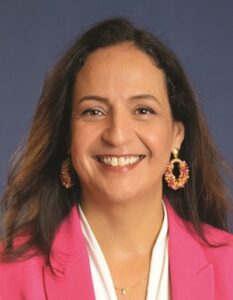
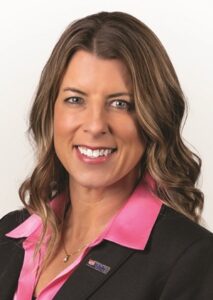
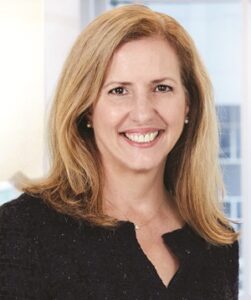
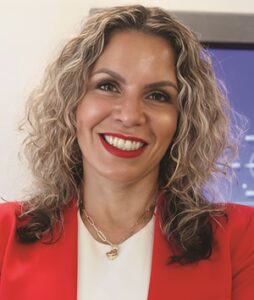
Leadership in equipment finance is no longer confined to a single mold — and these five senior executives are proof of that. In candid conversations with Monitor’s Editor in Chief Rita E. Garwood, Iman Eddini, Chief Human Resources Officer and Member of the Executive Board, DLL; Tina Eickhoff, CLFP, SVP, Head of Equipment Finance, U.S. Bank; Amrita Patel, Head of Equipment Finance, Wells Fargo; Linda Redding, Managing Director and Head of Equipment Finance, J.P. Morgan Commercial Banking and Nancy Robles, CEO, Eastern Funding share the pivotal moments that shaped their careers, the barriers that still test women’s rise and what real change looks like from where they sit now. Their insights reveal not just how women are navigating the climb to leadership, but how they’re reshaping the path for others to follow.
RITA GARWOOD: What was the most pivotal moment in your career that helped you rise into leadership?
IMAN EDDINI: One of the most pivotal moments in my career came early on, when I was offered my first managerial role. At the time, I was quite young and unsure of myself. The General Manager saw potential in me and approached me not once, but three times about taking on an HR Manager position. I declined the first two times, convinced I wasn’t ready and would fail. But on the third occasion, he asked to meet and talk through the opportunity. His confidence in me and the way he framed the role was so compelling that I couldn’t say no. I went to the interview—and that led to my first step into leadership.
TINA EICKHOFF: The most pivotal moment in my career came in 2003, when I was working as a financial analyst on the Accounting team. Our manager had just announced her resignation, resulting in an opening for the accounting manager role. On paper, it felt like a natural next step – but internally, I was filled with doubt. At the time, I was expecting my first child, and I questioned whether it was the right moment to take on a leadership role. I had never managed a team before, and I wondered if I could successfully lead colleagues who had been my peers. The uncertainty was real, but I made the decision to go for it. I was fortunate to be selected, and that moment became the launchpad for my leadership journey at U.S. Bank. It taught me one of the most valuable lessons of my career: Growth begins when you step outside your comfort zone.
Since then, I’ve continued to evolve as a leader because I’m driven by a commitment to learn, to lead through change and to make a meaningful impact. That first leap into leadership wasn’t just about a title, it was about believing in my potential, even when the timing wasn’t perfect and the path wasn’t clear. And that belief has shaped every step of my journey since.
AMRITA PATEL: One of the defining moments in my career was leading a cross-functional team through a major divestiture. This experience required not only technical acumen but also strategic vision, empathy, and the ability to unite diverse perspectives toward a common goal. It reinforced my belief that true leadership is about empowering others, driving organizational change, and navigating complexity with confidence and curiosity. This opportunity allowed me to demonstrate my capacity to build and inspire high-performing teams, deliver results, and advance the business agenda.
LINDA REDDING: The most pivotal moment was saying “yes” when my manager proposed that I start a new function for the group that I was in at the time. Success required that I step out of my comfort zone and create a business plan, including a budget and a staffing model, and then sell the idea to key stakeholders. The team ultimately grew to six professionals and was recognized internally and externally for our contributions to the broader team’s success. From then on, I became a “go-to” person to develop and execute new initiatives to address emerging business needs. While it seemed daunting to build a team from scratch, it was exhilarating to develop and execute the plan, and I learned that I really loved building and leading teams. Personally, it was extremely rewarding and a fun way to grow in my career. Professionally, it allowed me to differentiate myself from a lot of my peers who took more traditional routes to leadership.
NANCY ROBLES: For me, it wasn’t one specific moment — it was a series of experiences grounded in purpose. I’ve always aimed to help people and improve their experiences. Leadership wasn’t initially a goal. I never thought someone like me could reach the roles of COO or CEO, especially in finance. I believed I’d have to create my own company to make that kind of impact. But what pushed me forward was taking responsibility and accountability even when I didn’t have formal authority. I was willing to do the hard work to make a difference.
GARWOOD: What qualities or experiences do you believe are essential for women who aspire to leadership roles in equipment finance?
EDDINI: For women aspiring to leadership roles in equipment finance, I believe a few qualities and experiences are especially important. First, having a deep understanding of the business—or a strong curiosity and drive to learn—is essential. Building and nurturing strong relationships is equally critical, as leadership is rooted in trust and collaboration. Most importantly, staying true to oneself and believing in one’s own strengths and capabilities is what truly empowers women to lead with authenticity and confidence.
EICKHOFF: Women aspiring to leadership roles in equipment finance benefit from a strong blend of mindset, character and formative experiences. At the core is confidence – a belief in “I can and I will succeed.” Equally important are qualities like curiosity, resilience and emotional intelligence, which help navigate complexity and ability to lead with empathy. On the experience side, mentor-mentee relationships provide invaluable guidance and perspective, helping women understand how to navigate different leadership pathways. Stepping up to lead high-profile projects not only builds capability but also increases visibility and opens doors to sponsorship when leadership opportunities arise. You’ve got to be willing to put yourself out there and deliver at a high level. Participation in leadership development programs, involvement in cross-functional initiatives and cultivating strong networks – both inside and outside the organization – are essential for growth, influence and long-term success.
PATEL: Resilience, intellectual curiosity, and the courage to advocate for yourself are essential. As a leader, you will always experience challenges, and being able to manage through those and bounce back from them is critical, especially when leading a team. Always approach your work with curiosity. Ask the “so what?” of what you do so you and your team can perform and execute in ways your company and clients need you to.
In today’s dynamic financial services environment, it’s crucial to be a driver of change. Leaders must be willing to challenge the status quo, champion innovation, and guide their teams through transformation. Having a clear vision for the future—both for your organization and your own career—enables you to inspire others and align efforts toward shared goals.
Data-driven decision making is another key differentiator. Leaders who leverage analytics and insights to inform strategy, measure impact, and optimize performance are better equipped to deliver results and adapt to evolving market conditions.
Equally important is the power of influence—being able to lead and inspire others even when you don’t have formal authority over them. Many of the most impactful leaders build trust, communicate effectively, and foster collaboration across teams and functions. The ability to influence outcomes, drive consensus, and mobilize resources without direct reporting lines is a hallmark of senior leadership and is especially valuable in complex, matrixed organizations.
REDDING: Intellectual curiosity, tenacity, resilience, and a willingness to roll up their sleeves and really understand the team they are leading and the context in which they are operating. You also need great follow-through. True leaders get stuff done, not just talk about getting stuff done. Another essential quality is really understanding the “why” of getting into leadership – it’s a hard job at any level, so you need to understand why you want the role and what it will be like to live in that role for an extended period of time. I don’t often hear a well-articulated reason about why someone wants a leadership role during interview processes; very often the response is either that they see it as the next logical step in their career or that they want to make more money. Ultimately, neither is a good response…to be a successful leader, you have to know that you have the ideas, energy and desire to lead a team.
ROBLES: Initiative is key. Often, women have to create their own opportunities by identifying gaps and positioning themselves to fill them. I’ve had to advocate for myself and make my value visible—even when told to be more humble. That’s why I tell women: don’t wait for recognition. Be your own champion. Early in my career, I created a job description for a role I believed the company needed and presented it to leadership. That led to my first big promotion. You can’t wait for someone else to hand it to you.
GARWOOD: What barriers still remain for women seeking leadership roles, and how can the industry address them?
EDDINI: One of the barriers women still face when pursuing leadership roles is self-doubt—often questioning whether they’re truly ready or capable. Building confidence and trusting in their own strengths is essential.
Another challenge is balancing work-life responsibilities. Flexibility and focusing on outcomes and deliverables can make a significant difference in helping women manage both effectively.
Finally, I believe women can and should support one another. Creating strong networks of encouragement and mentorship can be a powerful force in helping women rise into leadership.
EICKHOFF: While many structural barriers have been broken down over the years, one persistent challenge is imposter syndrome – a barrier centered more in self-perception than external limitations. It causes women to question their qualifications or hesitate to pursue leadership roles unless they meet every single requirement. To address this, the industry must continue fostering environments that build confidence, normalize growth through stretch opportunities and reinforce that leadership potential isn’t defined by perfection. Encouraging mentorship, visible role models and open conversations about self-doubt can help shift mindsets and empower more women to step into leadership with confidence and conviction.
PATEL: To accelerate progress, industry leaders must champion open dialogue and prioritize inclusive talent development. By elevating these two pillars, organizations can cultivate an environment rich with growth potential for all. It is essential that senior executives lead by example—demonstrating that teams comprised of individuals with varied experiences and skills consistently deliver stronger outcomes for clients and stakeholders.
REDDING: A lot of societal barriers remain stubbornly in place, like access to affordable, quality childcare, care options for aging parents, the “second shift” of home life, etc., much of which still falls to women. While it would be difficult for the industry to address these things specifically, firms can recognize the needs of today’s employees and ensure that they have policies and a culture that is supportive of a good quality of life for everyone, versus something designed specifically for women. From a leadership development perspective, transparency and rigor are key in decisions around promotions and the development of a leadership pipeline. Organizations that are clear about what leadership attributes are needed for the future success of their firms, and then hold themselves accountable to promoting against that standard, will be more successful in building a pipeline of talented leaders than those that are not as intentional.
ROBLES: A major barrier is the lack of role models. If you can’t see it, it’s hard to envision yourself in the role. There’s no clear roadmap for women, so we have to think outside the box.
Mentorship—especially from relatable figures—is critical. But many barriers are structural and cultural: implicit bias, gender role expectations, and a deep-rooted belief that leadership looks a certain way, which often doesn’t align with how women lead. Now that more women are stepping into leadership, there’s even a sense of threat, which creates friction. I’ve personally experienced different expectations from colleagues since becoming CEO. Recognizing these biases — both systemic and personal — is essential to change.
GARWOOD: How do you balance career advancement with personal responsibilities, and how has that shaped your leadership path?
EDDINI: I’ve let go of the idea that a perfect balance between career and personal responsibilities is achievable. What matters most is that I hold myself to high standards, both professionally and personally. At times, one area demands more than the other, and learning to accept that ebb and flow has brought me greater peace.
I’ve also learned that trying to excel in every role—wife, mother, friend, daughter, sister, colleague, leader, etc. – is simply not sustainable. I’m fortunate and grateful to have a husband that has taken on more responsibilities at home, which has been instrumental in supporting my career.
Early in my career journey, I made the mistake of giving everything to my professional life, and that had consequences for my personal well-being. Those experiences led me to make intentional and consistent choices, ultimately shaping a leadership path where my personal and professional lives are thoughtfully intertwined – a dynamic that works best for me.
EICKHOFF: The concept of “balance” can be elusive when it comes to advancing a career while managing personal responsibilities. I’ve come to believe it’s less about achieving perfect balance and more about creating harmony, recognizing that at different times, one area may require more focus than the other. Sometimes work takes precedence; other times, personal life does.
Early in my journey, I made the personal decision to start a family, which added layers of complexity to how and when I pursued career growth. Advancement opportunities rarely come at the “perfect” time, and in my experience, you’re never 100% prepared. But I never saw it as choosing between career and family – it was always about figuring out how to do both well.
That meant building a strong support network at home and at work to help navigate the demands of both worlds. There were certainly challenges, and I made mistakes in both spaces. But those moments taught me resilience, fueled my growth and sparked a drive to be better than I was the day before. That journey has shaped my leadership path in profound ways, making me more empathetic, adaptable and intentional.
PATEL: Wells Fargo recognizes that career growth and personal responsibilities are not mutually exclusive—they’re interconnected. Balance is dynamic– we all need space for family, health, and personal growth. I’ve learned to set boundaries, leverage support systems, and embrace flexibility—both at work and at home. Remember, it’s okay to ask for help and to prioritize what matters most at different stages of your life.
It’s important to remember career advancement is not a linear path. There are times when personal responsibilities may take precedence, and that’s okay.
REDDING: Since our daughter was born 27 years ago, I have tried to be very intentional about the person that I wanted to be at the various stages of her life, and this has shaped my career decisions more than anything else. When I returned from maternity leave, I realized very quickly that I needed a role where I was more in control of my schedule than prior to becoming a mother. That realization led me to pivot toward accepting the challenge to start a new team, which came with less last-minute travel and more schedule flexibility. I was even able to work remotely each Friday, which I did until she started school. There was a trade-off; at times, it seemed like I was being left behind by my male counterparts, and that was frustrating. But it was so worth it – I was there for her childhood milestones and was still able to make an impact at the office. I moved into an Equipment Finance sales leadership role when she was a pre-teen because it was the perfect blend of a challenging, meaty sales role combined with the ability to manage my travel schedule around her calendar. It turned out to be the perfect fit for me and I never looked back!
ROBLES: Balance is a myth. Life is constant reprioritization. Some days, your kids come first. Other days, it’s work. I’ve missed Halloweens and school events because work had to come first. Early in my career, I was driven by survival—financial stability as a single mom. Now, I understand better what truly requires my attention and what doesn’t. I’ve learned not to internalize others’ expectations or biases. That internal balance has helped me achieve better external balance.
GARWOOD: How has the rise of remote and hybrid work influenced leadership opportunities for women?
EDDINI: In my view, the rise of remote and hybrid work has contributed to a more level playing field. It also offers greater flexibility, helping both women and men to better integrate their professional and personal responsibilities. I believe the lessons learned from remote and hybrid work — especially around flexibility and inclusion – are ongoing and will continue to shape more equitable workplaces moving forward.
PATEL: A hybrid model certainly has benefits when it comes to flexibility, which is helpful for all employees. At Wells Fargo, we believe our success depends on us becoming increasingly collaborative and innovative and we all benefit from seeing our colleagues on a regular basis — it’s easier to build relationships, get in-the-moment coaching, identify career opportunities, and brainstorm ideas. That’s why we have a hybrid model. Whether someone is remote or hybrid, though, the qualities of leadership are the same: it’s important to be present, communicate clearly, raise your hand for stretch projects and new opportunities, and build your network.
REDDING: On the positive side, it has been the great playing field leveler by erasing any stigma associated with successfully managing life outside of work because everyone can better manage their work schedule around their life versus the other way around. I think it’s too early to say whether leadership opportunities have been positively or negatively. Leadership is a hands-on role, and it does require human interaction and travel if your team is far-flung like a lot of sales roles typically are in equipment finance. Zoom is great for managing day-to-day, but being in the field a substantial amount of the time is the best way to manage your team in the long run.
ROBLES: Hybrid work is a game-changer for women, especially since many still carry the bulk of family responsibilities. But full remote work can be isolating. You risk missing visibility and connection—two things that are crucial for advancement. Out of sight really can mean out of mind. That’s why it’s important to stay connected, advocate for yourself, and highlight your contributions. Hybrid gives you the best of both worlds: flexibility and visibility.
GARWOOD: What cultural or organizational practices do you think are most effective in fostering inclusive leadership?
EDDINI: At DLL, inclusive leadership begins with self-awareness. We believe that leaders must first understand their own strengths and development areas before they can effectively lead others and drive results.
We foster inclusive leadership through practices that align with both our strategy and leadership profile. Our leaders play a critical role in this: they create psychologically safe environments as part of an inclusive workplace in which all our members feel seen, heard and acknowledged, empower teams to take accountability, and support learning from mistakes. With strong self-awareness, they act as role models for adaptability and transformation. These cultural and organizational practices not only foster inclusion, but they also shape a leadership culture that is resilient, innovative, and aligned with our strategic ambitions.
EICKHOFF: Offering development opportunities tailored to all team members helps build confidence to step outside comfort zones and reinforce that leadership readiness doesn’t require meeting every qualification. Promoting a culture that values inclusivity and diverse perspectives not only drives better decision-making but also accelerates organizational growth and success.
PATEL: Intentional behaviors that promote equity and belonging, supported with structured programs, will create environments that people want to be a part of. There are many things companies and leaders can do such as employee resource networks, open forums, inclusive talent reviews, structured sponsorships – these all build community and awareness for a more inclusive environment.
Senior leaders must model inclusive behaviors—actively seeking input from a wide range of voices. Ultimately, inclusive leadership is about creating an environment where every team member feels valued, empowered, and able to contribute to the organization’s success.
REDDING: Any organizational practice that levels the playing field will foster an inclusive culture, which in turn will foster inclusive leadership. Well-defined expectations and processes for promotions, transparency around compensation philosophy, and an environment where everyone feels heard and where feedback is consistently sought and acted upon appropriately will create the optimal environment for inclusive leadership to thrive.
ROBLES: It starts with self-awareness and emotional intelligence. Leaders at all levels—not just the C-suite—set the tone. Inclusive cultures aren’t created by slogans; they’re built through conscious, consistent actions. We all have unconscious biases. Until we’re willing to acknowledge and confront them, inclusivity will remain surface-level. It’s also about systemic infrastructure: How we hire, promote, and reward people must reflect equity. But real change starts at the individual level—with awareness, openness, and a willingness to grow.
GARWOOD: What advice would you give to the next generation of women leaders in equipment finance?
EDDINI: My advice to the next generation of women leaders is to be your authentic self – with skill and intention. Leadership isn’t about fitting into a mold; it’s about knowing your strengths, embracing your values, and showing up with confidence and clarity.
Stay curious about the business, build strong relationships, and don’t hesitate to take up space. Trust in your potential, even when self-doubt creeps in. Leadership is a journey, not a destination—and it’s shaped by the choices you make, the people you support, and the impact you create.
And remember, you don’t have to do it alone. Seek out mentors, build networks, and support other women along the way.
EICKHOFF: To the future women of equipment finance: Your voice matters more than ever, and this industry needs it to thrive. I’ve seen firsthand how powerful it is when women step forward and share their ideas, take on stretch roles and lead with authenticity. Leadership isn’t about waiting until you check every box; it’s about believing in your value, leaning into your strengths and rising to the challenge.
One of the most important lessons I’ve learned is that growth happens outside your comfort zone. The moments that feel uncertain or intimidating are often the ones that shape you most. So don’t hold back. Say yes to the opportunity, even if it scares you a little. And remember, leadership isn’t just about titles – it’s about impact. Whether you’re leading a team, a project or a conversation, you have the power to influence outcomes and inspire change.
PATEL: Embrace every challenge as an opportunity to grow – not just professionally, but personally. You will never feel “fully qualified”– it’s about stepping into the unknown with confidence, curiosity, and a willingness to learn. Here are four tips I live by:
• Stay curious: Curiosity fuels growth and innovation. Always be a continuous learner
• Seek mentors and sponsors: Build relationships with those who will advocate for you and never stop advocating for yourself.
• Embrace challenges: Growth happens outside your comfort zone.
• Be authentic: Excellence and authenticity are your greatest assets. It fuels the ability to influence others beyond your authority
REDDING: First of all, know yourself and what brings you professional joy, so to speak, and be fearless in pursuing that. If that is a big leadership role, great. If it is excelling as an individual contributor, great. The point is this: don’t chase what you think you “should” do for your career at the risk of not being the person that you want to be. There are infinite ways to be a “leader”, so decide which is best for you at specific points in your life and embrace it. Secondly, learn all that you can in every job or assignment that you have. The best leaders I know have deep domain expertise in their fields beyond just their day-to-day responsibilities. Finally, excel in your current role, regardless of what it is. I promise that someone will notice and bigger opportunities will come your way as a result.
ROBLES: Own your career. Don’t wait for someone to hand you opportunities. Define what success means to you, and go after it. Invest in yourself—get the education, the experience, the exposure. Sometimes that means doing work without immediate reward, but it pays off later. Not everything needs to come with a raise or title. Sometimes you’re just preparing for the next step. Be strategic, be intentional, and know your worth.
GARWOOD: Looking five years ahead, what changes do you hope to see for women in this industry?
EDDINI: Looking five years ahead, I hope to see more women in C-suite roles—not only within our own industry, but also among our partners and customers. I envision a future where leadership is defined not by gender, but by impact, vision, and the ability to inspire others. That shift will ultimately strengthen our industry as a whole.
EICKHOFF: Looking ahead five years, I hope to see continued momentum in elevating women across all levels of leadership within the equipment finance industry – not just in the C-Suite, but in every area where strategic decisions are made. The growing presence of women at events like the annual ELFA conference is encouraging, and it reflects a broader shift toward inclusion. Diverse perspectives are essential to driving innovation and long-term success.
PATEL: My hope is to see a more inclusive and equitable equipment finance industry – one that continues to create rewarding careers, where women are not only represented but actively shaping strategy, culture, and innovation. My vision is for every woman to feel empowered to define her own path. Leadership is not one-size-fits-all – once the right path is found it is overwhelmingly amazing.
REDDING: More women in sales and sales leadership roles! Seriously, equipment finance is a great place to build a career, particularly in sales. The expectations are clearly defined, there is some amount of scheduling flexibility and the variety of roles and firms in our industry means that there are opportunities to pivot as needed to achieve life goals and ambitions. A lot of the old ways of business development – golf, long dinners, and various other boondoggles – have fallen in importance as clients seek to better manage their own personal and professional priorities, so women should feel less at a professional disadvantage today than they might have felt in the past when these activities could be the difference between winning or losing a deal. Clients today want a great experience and solid execution from knowledgeable financial partners. Women are a natural fit for these expectations!
ROBLES: I hope to see more women in leadership—not just for representation, but because representation creates equity. The more women we see in top roles, the more other women will believe it’s possible. I hope women stop shrinking themselves to make others comfortable. I want to see women define success on their own terms and own their power unapologetically. Studies show that diverse leadership makes companies more profitable and innovative. It’s not just good for women—it’s good business.
Rita E. Garwood is Editor in Chief of Monitor.