
The agriculture sector enters 2026 under continued financial pressure, with farm profitability remaining the central factor shaping equipment demand. Lower commodity prices, elevated input costs and tighter credit conditions are keeping many producers cautious, particularly when it comes to large capital purchases. As a result, the market is shifting away from growth-driven buying toward replacement, efficiency and balance-sheet management.
Farm income remains under strain after multiple years of volatility. While certain crop segments have had periods of price stabilization, margins are still compressed by fertilizer, fuel and labor costs. This environment has made farmers more selective about equipment investments, often delaying new purchases or opting for smaller, incremental upgrades rather than full fleet refreshes. Demand for high-horsepower tractors and combines has softened, especially among row-crop producers.
At the same time, the used equipment and aftermarket segments continue to provide stability. As producers extend the life of existing machinery, spending on parts, service and refurbishment has increased. Dealers and lenders are seeing stronger activity tied to maintenance-driven financing, short-term loans and used equipment transactions. For equipment finance providers, this shift highlights the importance of flexible structures that support aging fleets and variable cash flows.
Technology adoption remains a longer-term positive. Precision agriculture tools, including GPS-guided equipment, variable-rate technology and data-driven monitoring systems, continue to gain traction as farmers look to improve yields and reduce input waste. While these investments are often smaller in scale than full equipment purchases, they represent a steady source of financing demand and reinforce the role of technology in farm profitability.
Interest rates remain a key variable. Although inflationary pressures have eased, borrowing costs are still elevated compared to historical norms, influencing purchase decisions and financing structures. Producers with strong balance sheets and diversified operations are better positioned to access credit, while smaller or highly leveraged farms face tighter underwriting standards. This divergence is contributing to uneven demand across regions and farm sizes.
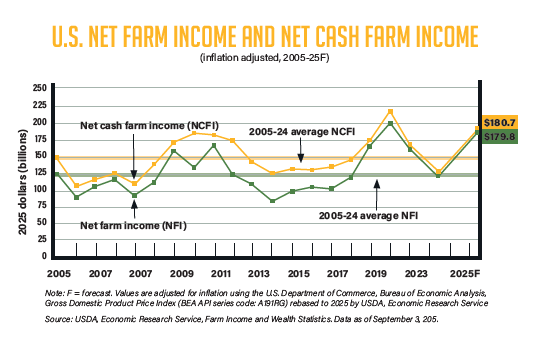
Looking ahead, 2026 is shaping up as a year focused on resilience. Equipment finance providers that understand farm economics, support used and aftermarket equipment, and tailor solutions to seasonal and income volatility will be best positioned. In a cautious but adaptive market, agriculture continues to rely on financing as a critical tool to sustain productivity and long-term viability.