
The trucks and trailers market enters 2026 with a more balanced, but still uneven, outlook shaped by fleet replacement cycles, freight fundamentals and lingering regulatory uncertainty. After several years of volatility, the asset class is settling into a period where disciplined purchasing and selective investment are driving activity rather than broad-based expansion.
Heavy-duty truck demand remains anchored by fleet replenishment. Many large and private fleets continue to replace aging equipment deferred during earlier supply chain disturbances. According to ACT Research, order activity has moderated from late-2024 peaks but remains historically healthy, particularly for vocational and specialty applications.
Construction, energy and infrastructure-related segments are providing a steady demand base, supported by ongoing public and private investment. This has helped insulate vocational trucks from the softer conditions affecting long-haul freight carriers.
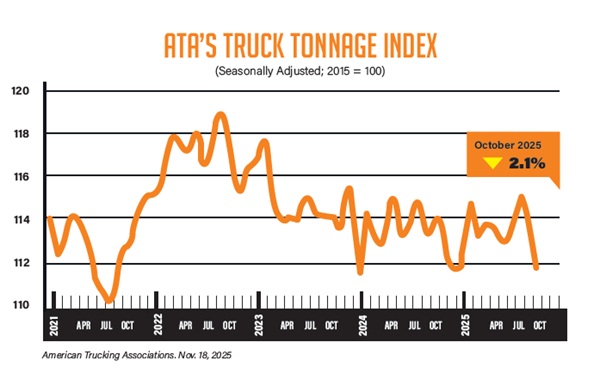
By contrast, over-the-road carriers continue to face pressure from subdued freight volumes and pricing. The American Trucking Associations Truck Tonnage Index has struggled to regain consistent momentum, reflecting cautious shipper demand and excess capacity in the for-hire market. This environment has constrained new equipment orders from smaller carriers and owner-operators, many of whom remain focused on cost control and balance sheet repair.
Trailers present a steadier, if less dynamic, picture. Replacement demand for dry vans and refrigerated trailers continues, driven by maintenance needs and improving fleet utilization, while specialty trailers tied to construction and bulk hauling benefit from vocational strength. However, elevated inventories at manufacturers and dealers are keeping pricing competitive and encouraging fleets to delay purchases when possible.
Regulatory uncertainty continues to influence buying behavior. While the pace and scope of federal emissions mandates remain unclear, many fleets are choosing to act ahead of potential rule changes by refreshing equipment now rather than risk higher costs later.
At the same time, adoption of zero-emission trucks remains limited, constrained by high acquisition costs, infrastructure gaps and uncertain residual values. For equipment finance providers, this stresses the importance of flexible structures that account for longer asset lives and evolving technology risk.
Overall, 2026 is shaping up as a year of measured opportunity in trucks and trailers. Finance companies that understand sub-segment dynamics, monitor freight indicators closely and tailor solutions to fleet-specific needs will be best positioned to navigate a market defined less by growth surges and more by strategic replacement and resilience.