
Arvest Bank, a community-based financial institution with over $26 billion in assets, has established itself as a leader in promoting inclusion. With a strong presence across Arkansas, Oklahoma, Missouri and Kansas, Arvest is not only known for its comprehensive financial services but also for its deep commitment to an inclusive culture that supports its associates, customers and communities.
Arvest Bank’s inclusion approach is embedded in its core principles and strategies. Through its three Engagement pillars — associates, community and business, the organization ensures that every initiative reflects its dedication to creating an inclusive environment. By empowering its associates with initiatives like Associate Impact Groups, Arvest enables underrepresented communities to have a voice while fostering deeper engagement both within the organization and with the communities it serves.
Leadership That Champions Inclusivity
This commitment starts at the top, with Chairman and CEO Kevin Sabin championing Engagement DE&I efforts. Arvest underscores that inclusion is not confined to one department but is a shared responsibility across the organization. This holistic approach ensures that inclusion is not just a concept but a lived experience, making Arvest a standout player in equipment finance and beyond.
Recognizing that the heart of inclusion is people, Arvest has tackled the challenge of varied experiences and understandings by maintaining consistent resource availability and fostering open dialogue. The company encourages associates and customers to share their insights, which drives continuous improvement in its initiatives.
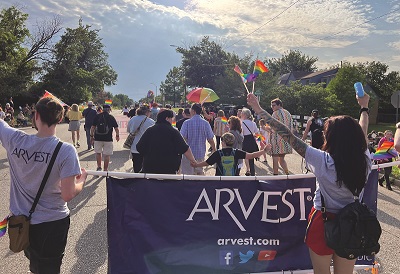 Additionally, Arvest has addressed sensitive issues like discrimination and microaggressions with a zero-tolerance policy and a robust support system. Continuous training, an accessible associate handbook and leadership’s clear commitment to inclusivity ensure a respect-based workplace culture.
Arvest’s dedication to fostering a thriving workplace is evident in its training and engagement programs. Through a mix of formal and informal approaches — like learning modules, diversity discussions via Associate Impact Groups and weekly Arvest Coffee Breaks — the organization creates safe spaces for all associates to learn, connect and grow.
The growth of its Associate Impact Group leadership team, which expanded from 24 to 64 members, and membership base at 1,534 associates, a growth of 34% from last year, are testaments to Arvest’s success in enhancing engagement. This expansion provides localized support and opportunities for associates to feel empowered and connected, further enriching the culture of inclusion.
Measuring Success: Arvest’s Approach to DE&I Assessment
Arvest uses both qualitative and quantitative methods to assess its Inclusion initiatives. Regular surveys, attendance at Engagement events and direct feedback from associates help the organization fine-tune its strategies. By listening to its workforce and adapting its programs to meet their needs, Arvest has consistently improved engagement and satisfaction.
The bank’s emphasis on associate feedback has also guided the identification of topics for Engagement focus DE&I meetings, improved scheduling and developed targeted initiatives that address real needs. Arvest’s success offers valuable lessons for organizations striving to enhance their Inclusion DE&I programs. The bank advises companies to:
- Engage with Associates: Understand what matters to them and their communities.
- Align with Business Goals: Connect Inclusion initiatives to the organization’s core operations and objectives.
- Stay Committed: Build trust through consistent efforts, as impactful Engagement programs take time and dedication.
Arvest Bank’s unwavering commitment to a people-first culture has made it stand out in the equipment finance industry. By empowering associates, fostering community connections and embedding inclusivity into every aspect of its operations, Arvest sets a benchmark for creating an equitable workplace. Its innovative approach and steadfast dedication exemplify how organizations can leverage diversity through inclusion into a powerful driver of business and community success.